Yoga: 15 Ultimate Benefits for Meditation, Energy, Flexibility & Spiritual Growth
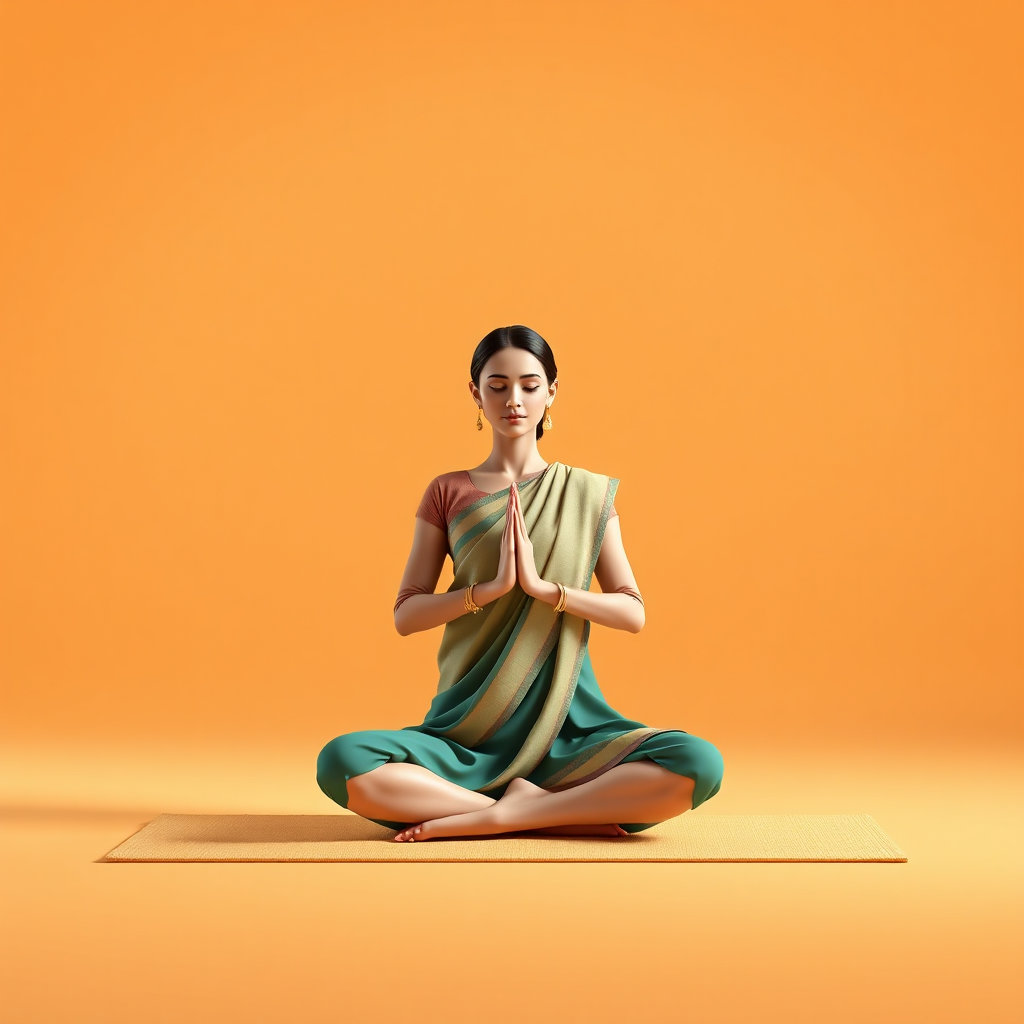
Table of Contents
- The Essence of Yoga Beyond Physical Postures
- How Yoga Deepens Your Meditation Practice
- Recharging Your Daily Energy with Yoga
- Unlocking Peak Flexibility Through Consistent Practice
- Nurturing Spiritual Growth on the Mat
- 15 Comprehensive Health Perks of Regular Yoga
- Discovering the Right Style for Your Journey
- A Practical Roadmap for Yoga Beginners
- Frequently Asked Questions
- Embracing the Yogic Path Forward
The Essence of Yoga Beyond Physical Postures
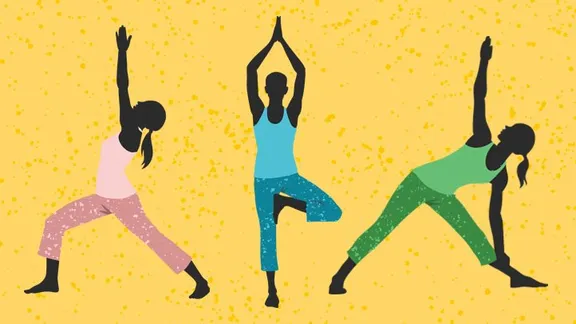
When most people hear the word yoga, they immediately picture intricate poses and bending bodies. However, yoga is fundamentally a profound philosophical system that originated thousands of years ago in ancient India. It is a multifaceted discipline designed to unite the physical vessel with the thinking mind and the eternal soul.
The primary goal of yoga is to create stillness within, allowing practitioners to experience life with clarity and purpose. In today’s fast-paced environment, this ancient practice serves as an anchor. It does not require you to be naturally flexible or spiritually enlightened to begin. All it asks for is your presence and breath. By integrating mindful movement with conscious breathing, yoga gradually dissolves the barriers we build between our outward actions and inner truths.
How Yoga Deepens Your Meditation Practice
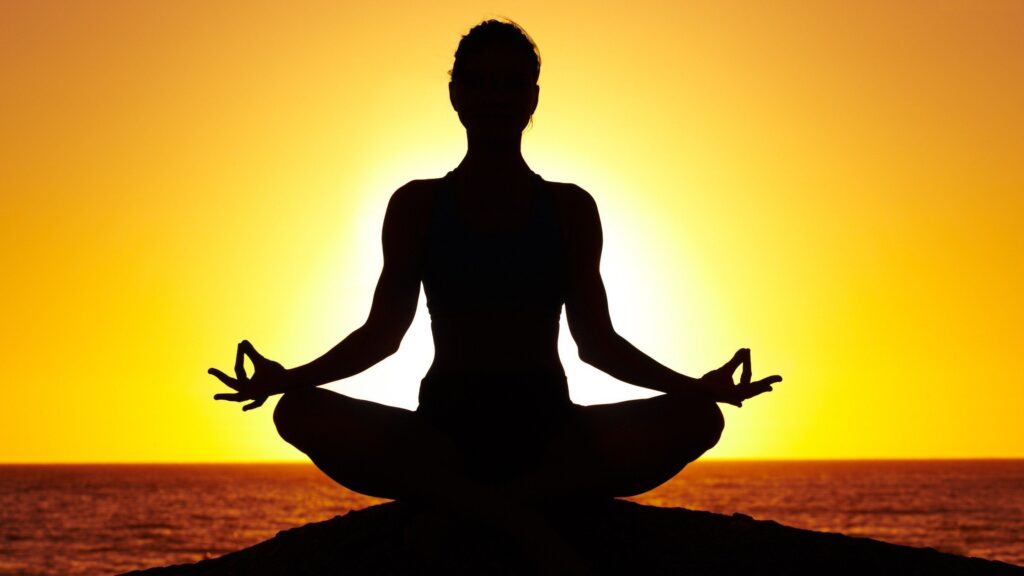
Many individuals attempt meditation but struggle with wandering thoughts. This is where yoga becomes an invaluable tool. The physical postures, known as asanas, are specifically designed to prepare the body for prolonged seated meditation. By releasing pent-up tension and physical restlessness, yoga allows you to sit comfortably for longer periods without distraction.
When you combine yoga with meditation, you activate the parasympathetic nervous system, which significantly lowers cortisol levels. This synergy makes meditation more accessible. Instead of fighting against your own body, you use the flow of yoga to burn off excess nervous energy, making way for a deeper, more transcendent meditation experience.
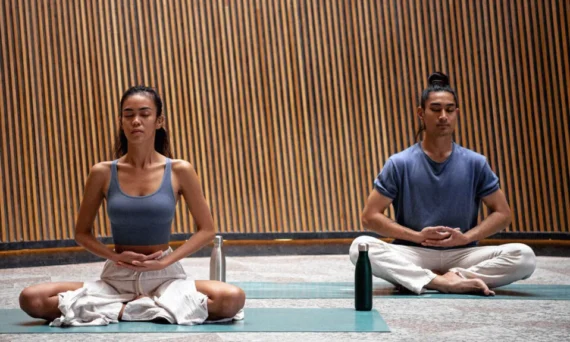
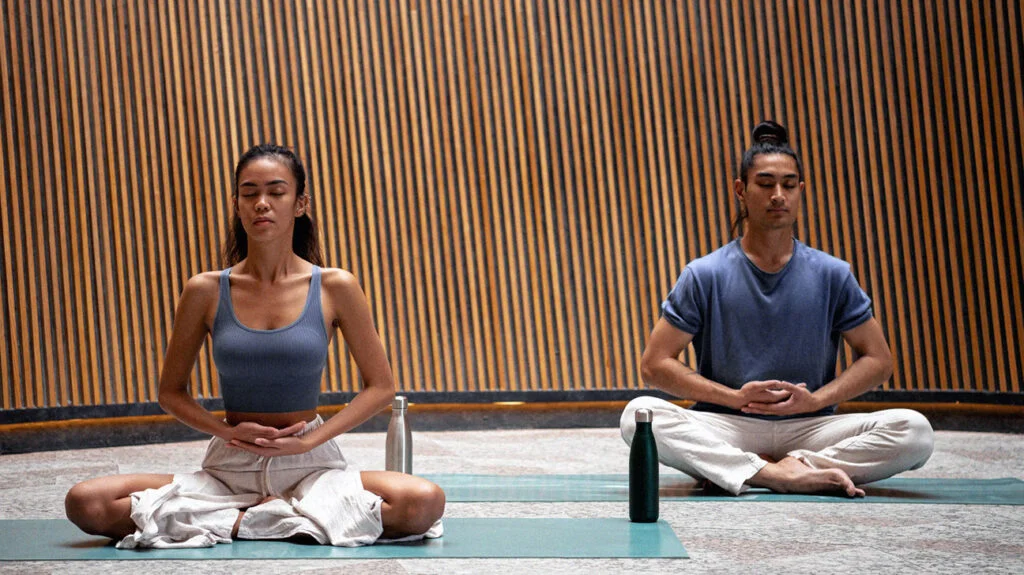
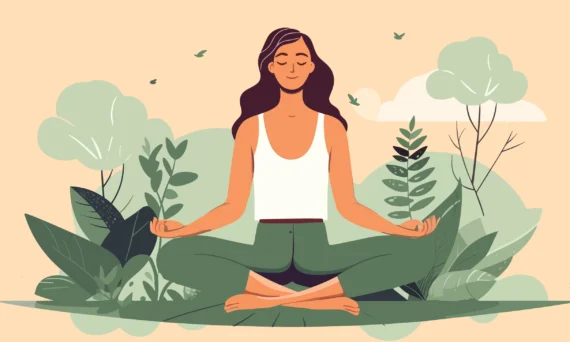
[Image Suggestion: A calm individual practicing yoga in a lotus pose with soft lighting]
Alt Text: “yoga and meditation practice for inner peace”
Recharging Your Daily Energy with Yoga
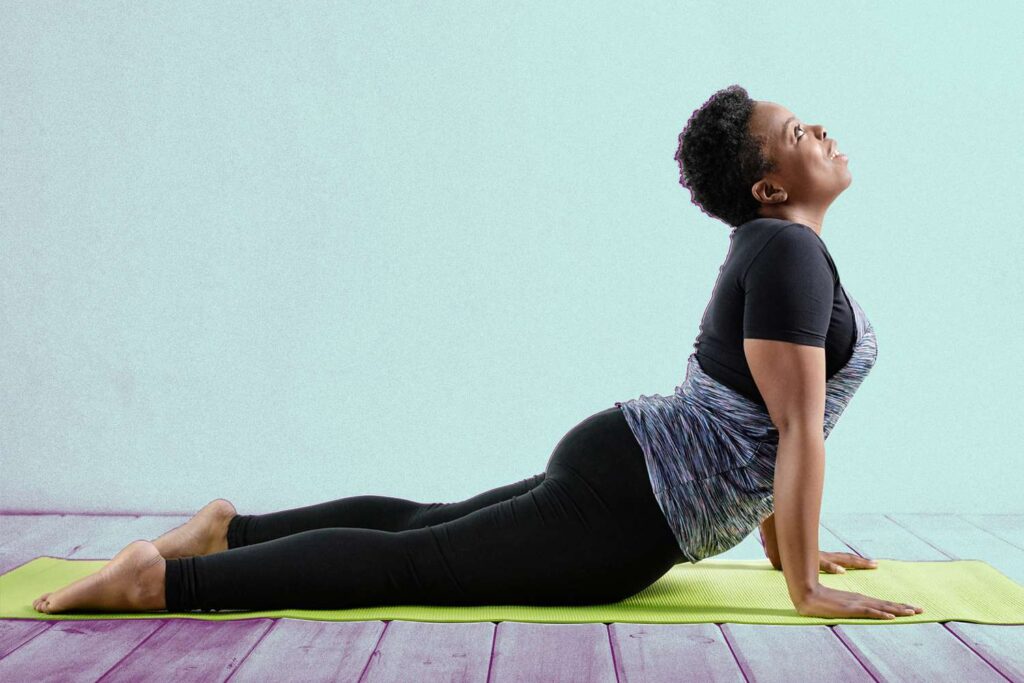
Contrary to popular belief, yoga does not drain you; it revitalizes you. The deliberate breathing techniques (Pranayama) utilized in yoga maximize oxygen intake, which directly fuels cellular energy production. Unlike the temporary spike from caffeine, the energy gained from yoga is sustained and steady.
Through consistent practice, yoga removes blockages in the body’s circulatory pathways. As blood flow improves, vital organs receive more nutrients, resulting in increased physical stamina and mental alertness. If you often find yourself fatigued by mid-afternoon, a short session of yoga can instantly recalibrate your energy levels, leaving you sharp and motivated for the rest of the day.
Unlocking Peak Flexibility Through Consistent Practice
Flexibility is often the most sought-after benefit of yoga, yet it is frequently misunderstood. Yoga does not demand that you touch your toes on day one; rather, it gently guides you toward that goal through repetitive, mindful stretching. This consistent lengthening of muscle fibers and connective tissues gradually increases your range of motion.
Improved flexibility extends far beyond being able to perform advanced postures. It translates into better functional movement in daily life, reducing the risk of strains and sprains. As you progress in your yoga journey, you will notice that tightness in your hamstrings, hips, and shoulders dissipates. This newfound flexibility also relieves lower back pain, which is a common ailment caused by modern sedentary lifestyles.
Nurturing Spiritual Growth on the Mat
While yoga is widely practiced for physical fitness, its most profound impact lies in spiritual development. Yoga encourages introspection and self-inquiry. As you move through each posture, you are prompted to observe your thoughts without judgment, fostering a deep connection to your authentic self.
This spiritual aspect of yoga is not tied to any specific religion; rather, it is a universal journey toward inner harmony. Through regular engagement, yoga cultivates qualities such as compassion, gratitude, and patience. The mindfulness developed on the mat naturally extends to off-the-mat situations, helping you navigate life’s challenges with equanimity. Ultimately, yoga serves as a pathway to realizing that you are part of something much larger than yourself.
15 Comprehensive Health Perks of Regular Yoga
To fully appreciate the power of yoga, let us explore the extensive list of benefits that regular practitioners enjoy:
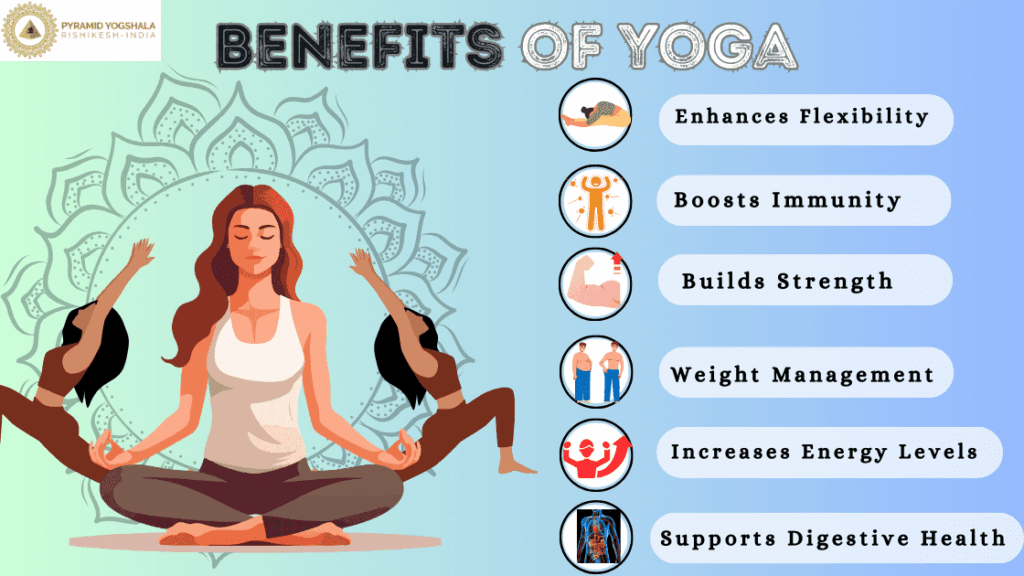
- Amplifies Physical Suppleness: Stretching reduces muscle rigidity.
- Builds Enduring Core Strength: Yoga utilizes body weight effectively.
- Boosts Metabolic Efficiency: Certain yoga flows stimulate the digestive fire.
- Reinforces Bone Density: Weight-bearing yoga poses strengthen skeletal structures.
- Regulates Blood Sugar: Yoga helps manage glucose levels naturally.
- Supports Cardiovascular Efficiency: Deep breathing reduces heart rate variability.
- Enhances Lymphatic Drainage: Twisting yoga poses flush out toxins.
- Increases Joint Lubrication: Safe movement prevents arthritis.
- Improves Sinus Health: Inverted yoga poses drain nasal passages.
- Balances Hormonal Secretion: Yoga supports the endocrine system.
- Sharpens Reflexes: Mind-body awareness improves reaction times.
- Promotes Skin Vitality: Increased blood flow nourishes skin cells.
- Relieves Tension Headaches: Neck yoga releases cranial pressure.
- Cultivates Emotional Resilience: Yoga teaches acceptance.
- Fosters a Sense of Belonging: Yoga communities offer social support.
Discovering the Right Style for Your Journey
Not all yoga is the same. Depending on whether you want to enhance your meditation, boost energy, gain flexibility, or explore spiritual depths, there is a specific style of yoga for you.
| Yoga Style | Primary Focus |
|---|---|
| Hatha Yoga | Slow-paced, perfect for beginners and basic meditation. |
| Vinyasa Yoga | Dynamic flow for cardiovascular energy and fitness. |
| Ashtanga Yoga | Rigorous sequence for building strength and discipline. |
| Yin Yoga | Passive holds to maximize flexibility in connective tissues. |
| Restorative Yoga | Deep relaxation using props to soothe the nervous system. |
| Kundalini Yoga | Chanting and breathing for spiritual awakening. |
| Iyengar Yoga | Precision and alignment, excellent for injury recovery. |
A Practical Roadmap for Yoga Beginners
Starting a yoga practice can feel intimidating, but it is surprisingly simple. To ensure you safely reap the benefits of meditation, energy, flexibility, and spiritual growth, follow these actionable tips:
- Set a Minimal Goal: Commit to just 10 minutes of yoga daily to build a habit.
- Choose Non-Restrictive Attire: Comfortable clothing allows full range of motion.
- Prioritize Breath Over Depth: Never force a pose; let your breath guide your flexibility.
- Use Props: Blocks, straps, and bolsters make yoga accessible for all body types.
- Turn Off Distractions: Dedicate a quiet space for your meditation and practice.
- Hydrate Beforehand: Proper hydration supports energy production during yoga.
- Practice on an Empty Stomach: Wait 2-3 hours after eating for optimal comfort.
- End with Savasana: Always conclude your yoga session with 5 minutes of stillness to absorb the spiritual and physical benefits.
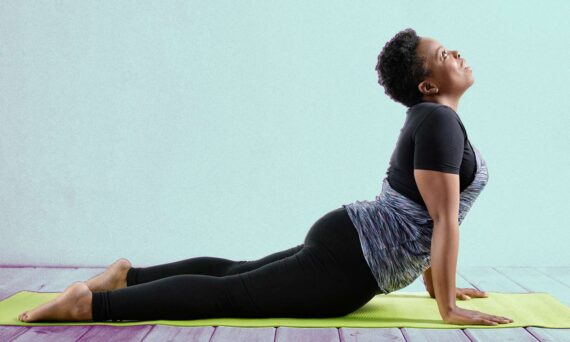
[Image Suggestion: A beginner doing a gentle yoga stretch with a block]
Alt Text: “beginner yoga flexibility practice with props”
Frequently Asked Questions
1. Can I practice yoga if I am not flexible?
Absolutely. Inflexibility is the very reason to start yoga. The practice itself is designed to gradually improve your flexibility over time.
2. How does yoga improve mental clarity?
Yoga incorporates meditation and breath control, which reduce mental chatter. This sharpens focus and allows for better decision-making.
3. Is yoga enough to keep me fit?
Yes. Dynamic styles of yoga like Vinyasa or Ashtanga are excellent cardiovascular workouts that build muscle, boost energy, and burn calories.
4. How quickly will I see results?
With consistent yoga practice, you may notice improved flexibility and lower stress levels within 2 to 3 weeks. Deeper spiritual growth unfolds over months.
5. Do I need a special mat?
While a mat provides grip, you can practice yoga on a carpet or towel initially. A mat simply enhances comfort and stability.
6. Can yoga replace my meditation routine?
Actually, yoga complements meditation perfectly. The physical practice prepares your body, making seated meditation more effective and enjoyable.
Embracing the Yogic Path Forward
The transformative power of yoga is truly undeniable. It offers a complete toolkit for navigating the complexities of modern existence. Whether you are searching for a way to quiet your mind through meditation, ignite your physical energy, move your body with greater flexibility, or uncover profound spiritual truths, yoga provides the map.
[Internal Link Suggestion: Check out our Beginner’s Guide to Meditation here ->
/meditation-for-stress-relief]
By committing to this practice, you are not just exercising; you are engaging in an act of self-care that nourishes every layer of your being. Remember, the journey of yoga is deeply personal. There is no competition, no finish line, and no judgment.
[External Link Suggestion: Read more about the scientific research supporting yoga for heart health ->
https://www.heart.org/en/healthy-living/fitness/fitness-basics/yoga-for-heart-health] (Dofollow)
Take the first step today. Unroll your mat, take a deep breath, and watch as yoga gradually elevates every facet of your life. With patience and persistence, you will find that the benefits of yoga extend far beyond the hour you spend practicing—they ripple into your relationships, your work, and your overall happiness.
[Internal Link Suggestion: Explore our list of Top 10 Yoga Poses for Beginners ->
/top-10-yoga-poses-beginners][External Dofollow Link: Explore the ancient origins and philosophy of yoga →
https://www.yogajournal.com/yoga-101/philosophy/history-of-yogahttp://[External Dofollow Link: Explore the ancient origins and philosophy of yoga → https://www.yogajournal.com/yoga-101/philosophy/history-of-yoga/ ]/]
To deepen your understanding of yoga, explore authoritative external resources such as the history and philosophy of yoga, the science behind meditation and brain health, pranayama breathing techniques for energy, the spiritual dimensions of yoga practice, scientifically proven health benefits of yoga, a comprehensive guide to different yoga styles, and a directory to find a certified yoga instructor near you.